
Yuca: domesticated in the Amazon ten thousand years ago
Yuca is not a Taíno invention. Its oldest phytoliths, dated to 10,350 years ago, were found thousands of kilometers from this island, in artificial forest islands that early farmers built on a seasonally flooded savanna in Bolivia.
Victor Matos September 6, 2026
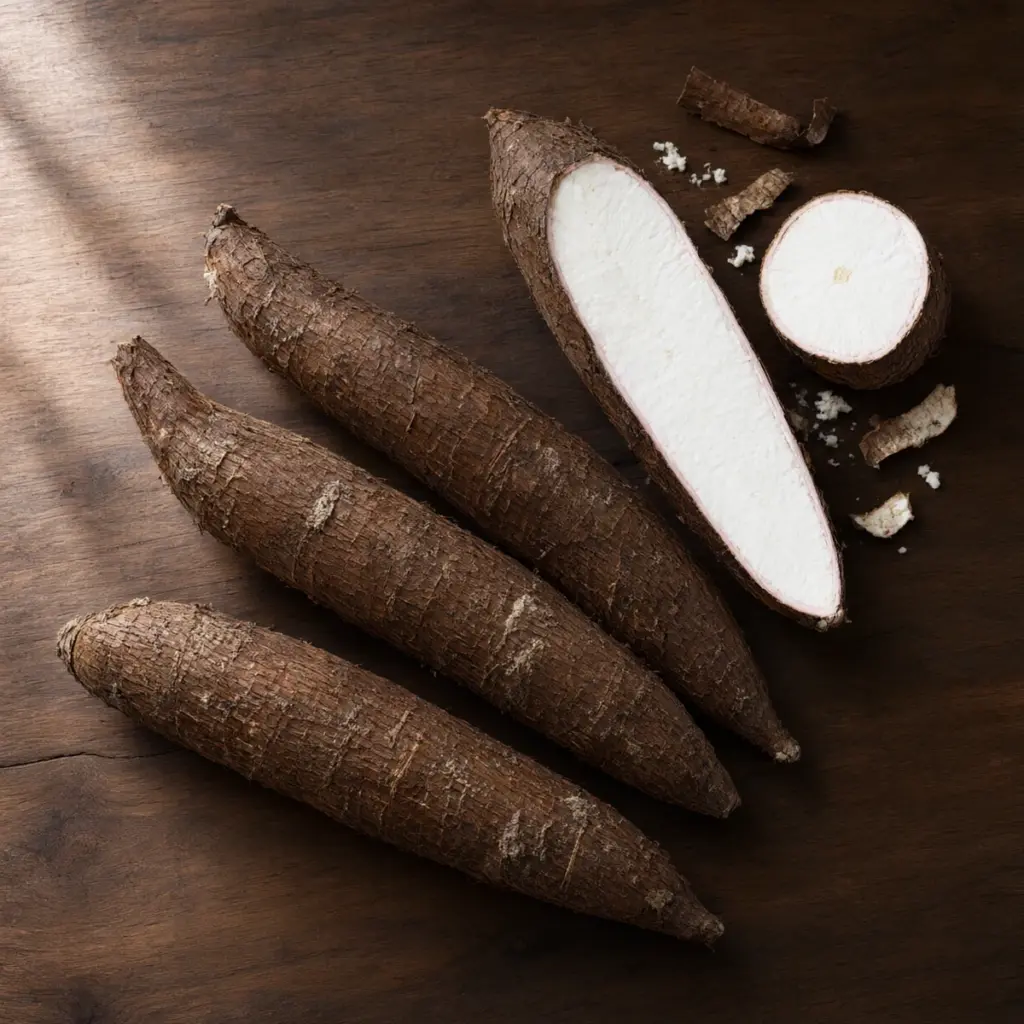
Yuca is not a Taíno invention. Its oldest phytoliths, dated to 10,350 years ago, were found thousands of kilometers from this island, in artificial forest islands that early farmers built on a seasonally flooded savanna in Bolivia.
Domesticated south of the Amazon, not in the Caribbean
The most recent genetic evidence places the origin of the wild ancestor of cassava (Manihot esculenta) in the savannas south of the Amazon, in the Brazilian Cerrado. The phytoliths found there, alongside squash, correspond to the fifth independent center of agricultural domestication known in the world.
Later macroscopic remains appear in the Casma valley in Peru around 1785 BC, and cassava starch on grinding stones in Panama dates between 7,000 and 5,000 years ago.
What cannot be claimed yet
There is no deep, published archaeological date specific to Hispaniola comparable to the Amazonian one. The reference work on starch in Caribbean pottery, by Jaime Pagán-Jiménez at Leiden University, actually found surprisingly scarce cassava microremains in the island’s archaeological record compared with crops like corn or batata.
The most solid dated evidence for Hispaniola is late: starch analysis on griddles from El Flaco (1309 AD) and La Luperona (1352 AD), in the northwest of the country. Any text claiming cassava has been on the island “for thousands of years” without citing a specific Dominican or Haitian site cannot be defended today.
Sources
- Iriarte, J., Lombardo, U. et al., “Early Holocene crop cultivation and landscape modification in Amazonia”, Nature 581 (2020). nature.com
- Berman, M. J. et al., Journal of Archaeological Method and Theory (2019). link.springer.com
The bread made from this plant has its own history: what casabe is and why UNESCO listed it in 2024.