
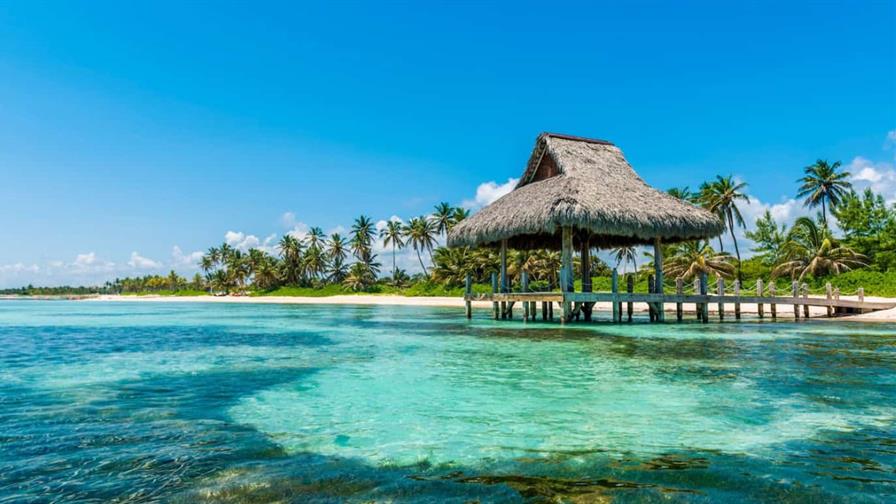
Preserving and strengthening Punta Cana as the Dominican Republic’s leading tourist destination is not a task for one sector alone. It demands a shared vision and coordinated action between the government, the business community, and civil society. The success achieved so far is remarkable, but it does not guarantee the future. On the contrary, it places a greater responsibility on everyone to manage growth intelligently, protect natural resources, and reinforce the social fabric that sustains tourism.
The Role of Government: Planning, Services, and Good Governance
From the public sector, the main challenge is territorial planning and governance.
Punta Cana needs:
- Clear urban development rules to prevent disorderly expansion and infrastructure saturation.
- Robust environmental regulations to protect beaches, dunes, mangroves, and coastal ecosystems.
- Sustainable mobility policies that reduce congestion and improve connectivity between hotel areas, residential zones, and service hubs.
To live up to its status as a world-class destination, it is essential to invest in high-quality public services, including:
- Drinking water and sanitation
- Reliable electricity and transportation
- Accessible, efficient healthcare
- Quality education and vocational training
- Citizen security and effective policing
At the same time, transparency, institutional efficiency, and a stronger local government are key to generating trust. Clear, predictable rules and agile procedures encourage responsible investment and reduce the temptation of improvisation and informality.
The Private Sector: Sustainability, Innovation, and Local Talent
The business sector has been the main engine behind Punta Cana’s tourism boom. But the next stage of development requires going beyond occupancy rates and arrivals.
The priority for companies should be to:
- Deepen their commitment to sustainability
- Bet on innovation and diversification of the tourism offer
It is not enough to fill rooms; it is necessary to:
- Continuously improve the visitor experience
- Diversify products and segments:
- Cultural and heritage tourism
- Ecotourism and nature experiences
- Gastronomic routes
- Sports and wellness tourism
- Religious, health, and convention tourism
- Reduce dependence on low value-added, volume-based models
Responsible business practices must move from speech to routine:
- Energy efficiency and renewable energy use
- Modern, selective, and traceable waste management
- Protection of coral reefs, seagrass beds, and beaches
These actions are not just “green marketing”; they strengthen Punta Cana’s brand positioning in the eyes of a tourist who is increasingly informed, demanding, and environmentally aware.
Equally crucial is investment in local human capital:
- Ongoing training of employees
- Clear career paths and opportunities for advancement
- Decent working conditions and fair wages
A destination cannot be competitive in the long term without motivated, skilled, and respected workers, nor can it be socially stable if the communities that support tourism feel excluded from its benefits.
Civil Society: Identity, Oversight, and Social Cohesion
Civil society—residents, community groups, NGOs, churches, sports clubs, and cultural organizations—plays a strategic role in guaranteeing social and environmental balance.
Their contribution includes:
- Participation in decision-making spaces about the territory
- Citizen oversight of public works, budgets, and environmental compliance
- Mediation and conflict management between interests (hotel, real estate, community, environmental)
- Promotion of values of coexistence, respect, and civic culture
In Punta Cana, preserving local identity is just as important as building new roads or expanding the airport. A destination cannot turn its back on:
- Its history and traditions
- Its neighborhoods and rural communities
- Its cultural and artistic expressions
A successful global destination cannot be built in isolation from its people. For that reason, the community also has a critical responsibility: to elect representatives with civic maturity, prioritizing:
- Public service over personal gain
- Ethical conduct over clientelism
- Efficient, transparent, and responsible management of public resources over improvisation and spectacle
A Long-Term Pact for Punta Cana
The future of Punta Cana will not be defined by chance. It will depend on whether we are capable of forging a solid, long-term alliance between:
- A government that plans, regulates, and serves
- A business sector that innovates, invests responsibly, and shares value
- A civil society that participates, monitors, and defends its identity
Only a shared vision of sustainable, inclusive, and well-planned development will allow Punta Cana to:
- Preserve its natural and competitive advantages
- Maintain its leadership as the top tourist destination in the Dominican Republic
- And position itself as a regional benchmark in the Caribbean and Latin America for how to manage a major tourism hub without sacrificing the environment or the quality of life of its people.
