
Peanut: the word is Taíno, and so was the crop
The word the Dominican Republic uses for this crop, maní, is not borrowed from Spanish or English: it is Taíno. That happened because the peanut was already on the island, and in the language, before 1492.
Victor Matos September 6, 2026
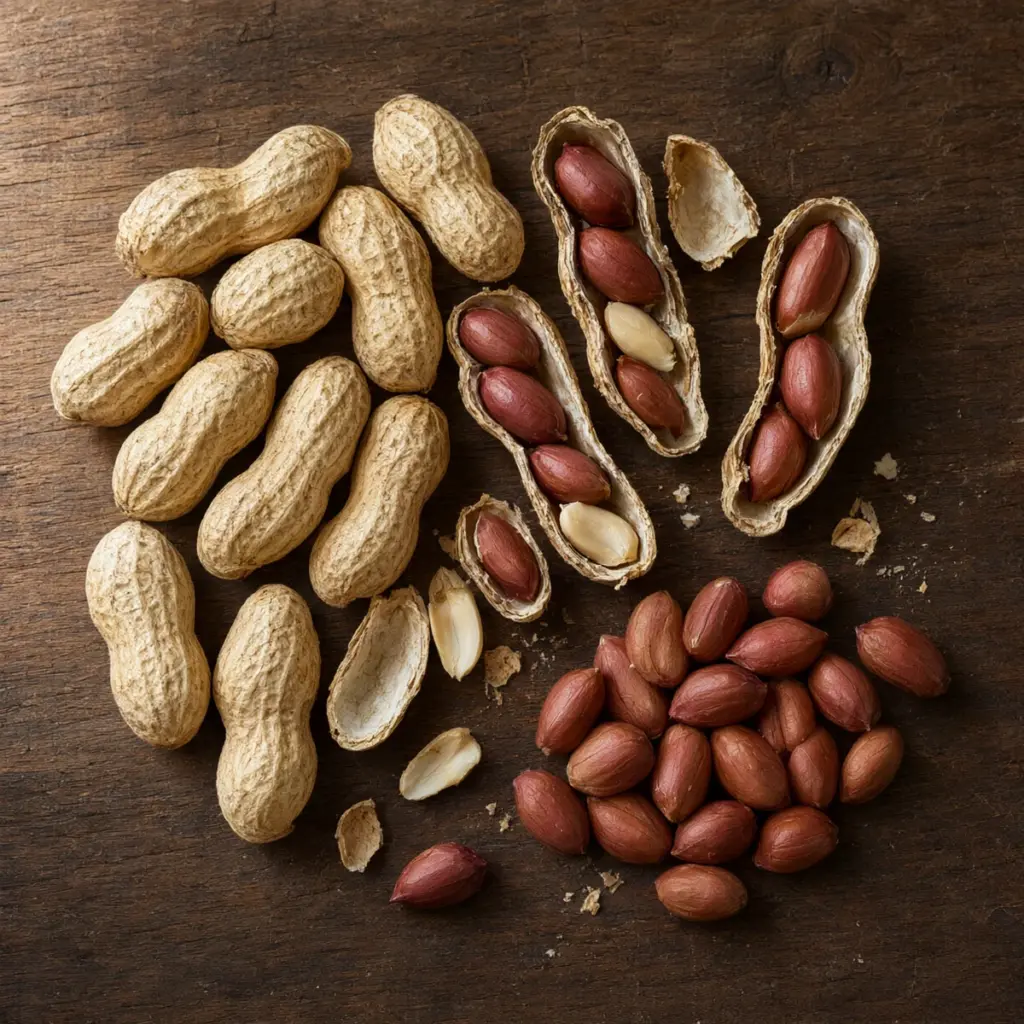
The word the Dominican Republic uses for this crop, maní, is not borrowed from Spanish or English: it is Taíno. That happened because the peanut was already on the island, and in the language, before 1492.
A single hybridization in Bolivia
The cultivated peanut arose from one hybridization event between two wild species, Arachis duranensis and Arachis ipaensis, in southeastern Bolivia or northwestern Argentina, less than ten thousand years ago. The oldest archaeological remains already identified as domesticated peanut come from preceramic sites in Peru and are around five thousand years old.
The same proof as corn
In the coprolites from La Hueca-Sorcé on Vieques, dated between 245 and 600 AD, both forms appear: the wild species and the domesticated one. This is not a hypothesis about migration routes; it is dated biological material.
Why the name matters
When an ingredient arrives with colonization, it usually arrives with a borrowed name. The peanut kept its original one because there was nothing to replace: the name was here before the language that now pronounces it.
Sources
- Hybrid origin of Arachis hypogaea, Plant Systematics and Evolution. link.springer.com
- DNA in coprolites from La Hueca-Sorcé, Vieques. pmc.ncbi.nlm.nih.gov