
Punta Cana Santo Domingo Train: A Catalyst for Regional Growth
The idea of a Punta Cana Santo Domingo train is gaining momentum as a potential game-changer for the eastern region of the Dominican Republic. This proposed 190-kilometer rail link, estimated to take about 1 hour and 25 minutes, could significantly expand labor mobility, improve freight logistics, and stimulate new urban development nodes.
Héctor Amable Taveras September 14, 2026
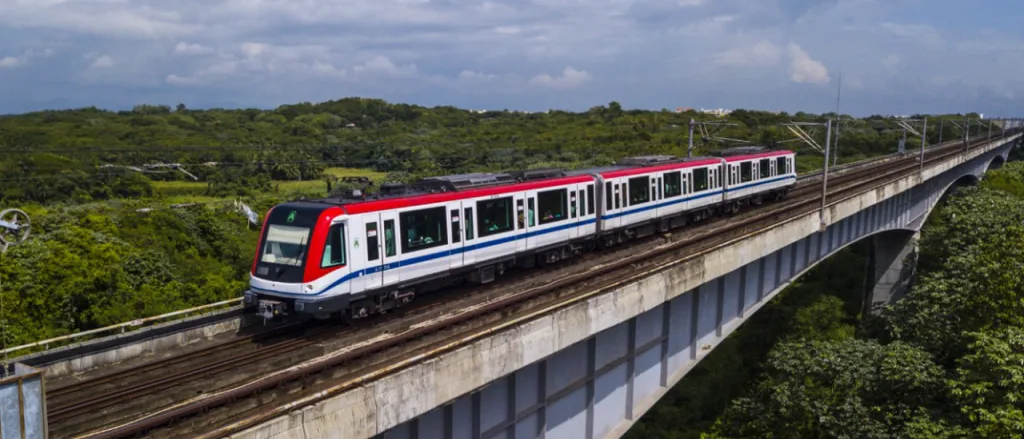
One of the most immediate effects would be the expansion of the labor market. A high-speed rail connection would allow professionals in Santo Domingo to work in Punta Cana and return the same day, and vice versa. This could create a more fluid exchange of skilled workers, technicians, and service providers between the capital and the tourism-driven eastern corridor.
The logistics sector would also benefit from a dual-purpose rail line. Punta Cana’s tourism infrastructure requires constant delivery of food, beverages, construction materials, and equipment. A freight-capable train could reduce congestion on highways and provide a more cost-effective and sustainable method for transporting bulk goods to and from the capital.
Urban development is another potential outcome. Strategically placed train stations could become commercial and residential hubs, attracting retail, offices, restaurants, and accommodations. These nodes could mirror global transit-oriented developments, where transport infrastructure fosters localized economic ecosystems.
Beyond mobility and logistics, the project could influence education access, retail expansion, and real estate dynamics. For Punta Cana, this shift could solidify its position as a regional economic engine while offering Santo Domingo residents broader opportunities for employment and investment.
Land use planning and infrastructure investment will be key to determining whether this vision becomes reality.