
Blueprints for Sustainability: Government Launches Strategic Urban Development Plan for Verón-Punta Cana
Punta Cana, Dominican Republic — The Dominican government has presented the Municipal Territorial Planning Plan (PMOT) for Verón-Punta Cana, a long-term framework intended to guide urban growth, protect natural resources and promote sustainable development in one of the country’s most important tourism destinations.
Editorial July 21, 2026
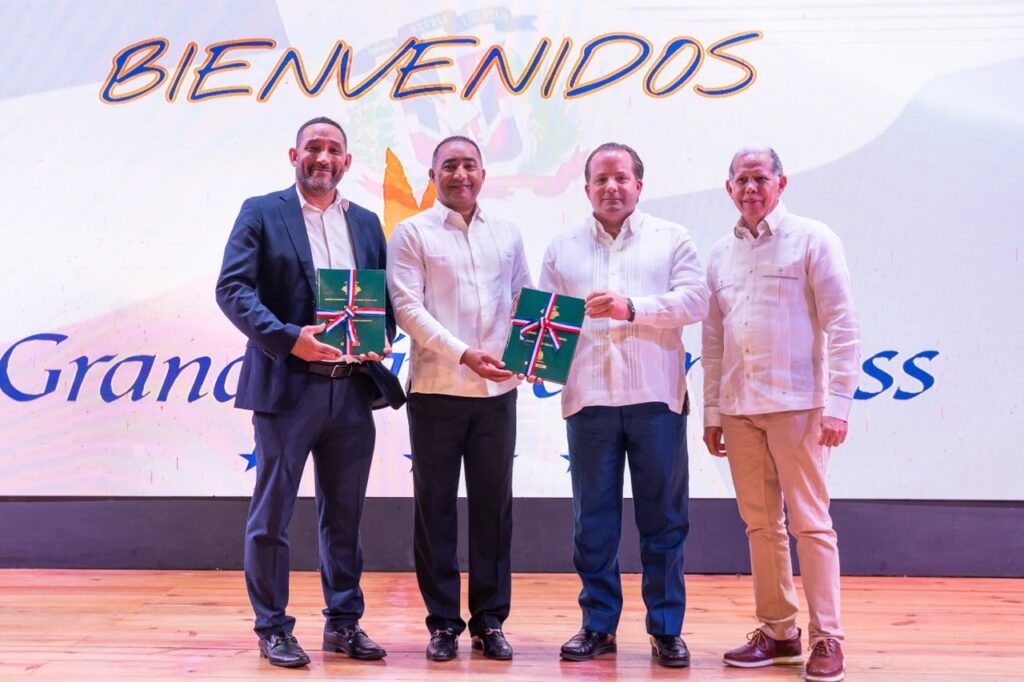
Punta Cana, Dominican Republic — The Dominican government has presented the Municipal Territorial Planning Plan (PMOT) for Verón-Punta Cana, a long-term framework intended to guide urban growth, protect natural resources and promote sustainable development in one of the country’s most important tourism destinations.
The plan establishes guidelines for land use, environmental protection, infrastructure investment and public participation as Verón-Punta Cana faces continued population growth and expanding tourism activity.
Minister of the Presidency José Ignacio Paliza said the initiative is designed to organize the use of land while improving mobility, strengthening food security and reducing vulnerability to natural hazards. He said the framework also supports the development of a more resilient and sustainable tourism model.
Tourism Minister David Collado said Verón-Punta Cana can no longer continue expanding without coordinated planning. He noted that Punta Cana International Airport receives more than 4 million visitors annually, underscoring the scale of the destination’s economic and infrastructure demands.
Collado said effective territorial planning will require coordination among central government agencies, local authorities, private-sector stakeholders and the wider community.
Vice Minister of Territorial Planning Domingo Matías said Verón-Punta Cana accounted for approximately 60% of the country’s air passenger arrivals. He also highlighted the district’s rapid demographic expansion, with the population increasing from 43,982 residents in 2010 to 138,919 in 2022.
Official projections estimate that the population could reach 241,767 by 2035, further increasing demand for housing, roads, public services, water systems and environmental safeguards.
Authorities said the PMOT is intended to provide a structured roadmap for managing that growth, balancing the development needs of a major tourism destination with the protection of ecosystems and the quality of life of local residents.