
Punta Cana is pouring concrete faster than anyone can map it
This morning, I woke to that familiar embrace we know so well here in Bávaro—that heavy, humid warmth which clings to your skin like a second shirt the moment you open your eyes. It was just another Wednesday, yet the light did not push through my blinds to punish me; it came to remind me that I am alive, that my lungs are drawing in air laced with salt spray and the faint, chalky scent of freshly poured concrete. When I unfold the day’s agenda—that endless, spiraling list of events I investigate by walking these avenues, by speaking with engineers whose shirts are dark with sweat, by listening to mothers who push strollers beneath the trembling shade of sea grape leaves—I am forced to confront a truth that outsiders often miss. They see from afar a static postcard of sun and cocktails, but what I walk through is a living organism, a magnificent animal stretching its limbs toward the horizon.
Aurelio Nicéforo Beltré September 9, 2026
This morning, I woke to that familiar embrace we know so well here in Bávaro—that heavy, humid warmth which clings to your skin like a second shirt the moment you open your eyes. It was just another Wednesday, yet the light did not push through my blinds to punish me; it came to remind me that I am alive, that my lungs are drawing in air laced with salt spray and the faint, chalky scent of freshly poured concrete. When I unfold the day’s agenda—that endless, spiraling list of events I investigate by walking these avenues, by speaking with engineers whose shirts are dark with sweat, by listening to mothers who push strollers beneath the trembling shade of sea grape leaves—I am forced to confront a truth that outsiders often miss. They see from afar a static postcard of sun and cocktails, but what I walk through is a living organism, a magnificent animal stretching its limbs toward the horizon.
Today, between blueprints that redraw our skyline, operations that bring order to our rushing traffic, invisible shields raised around our children, and a hammerhead shark that decided to patrol our shallows like a maritime inspector, the news demands something of us. It demands, with an implacable sweetness, that we look inward, at who we truly are when we stop posing for the cameras.
The Architecture of Our Tomorrow
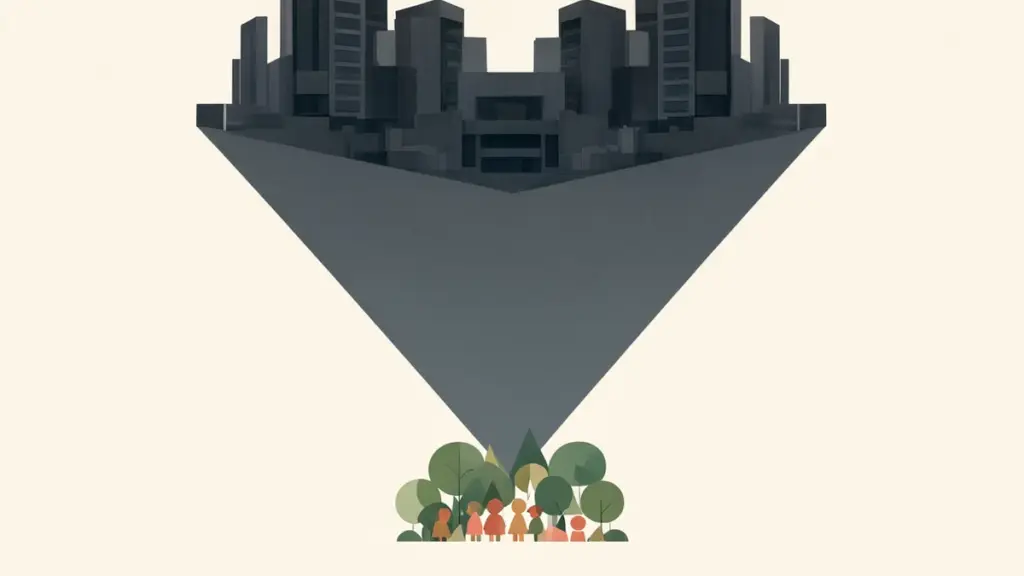
I have spent the morning reading the reports, listening to men in white hard hats, studying the projections that circulate through planning offices, and I find myself pausing, almost breathless, before the figures recently placed on the table by Mr. Hazoury. Twenty thousand new rooms projected for Cap Cana between now and 2029. Twenty thousand. One stares at such a number and feels the chest expand, because—and I must insist on this, lest we lose ourselves in mere arithmetic—we are not discussing simple hotel quarters. We are talking about twenty thousand reasons for a father in Verón to secure dignified employment. We are talking about twenty thousand motives for a young Dominican architect to unroll her blueprints right here, rather than packing them into a suitcase bound for Madrid or Miami. This is the promise made material by ASONAHORES, rendered in glass and reinforced steel, a horizon multiplying itself before our very eyes.
Now, I know precisely what you are thinking as you read this from your balcony, or perhaps from the back seat of a car inching slowly down the boulevard. I see you hesitating. I imagine your brow furrowing, your inner voice rising to challenge me: “Aurelio, you who walk these streets every single day, do you not see that the water sometimes struggles to reach us, that the roads choke with metal, that this development will eventually swallow us whole?” You have every right to ask, because human nature instinctively fears what grows too swiftly; we suspect abundance as though it were a magician’s trick designed to leave our pockets empty. But tell me, is it not infinitely preferable to manage the wealth of a giant waking from slumber than to weep over the poverty of a village that refuses to open its eyes? If today we see those yellow, treaded beasts crawling across the earth, those towering steel arms lifting beams against the impossibly blue afternoon sky, working without rest, they are not here to suffocate us. They are tailoring the suit we will wear tomorrow.
The accelerated growth of our coast is not a threat; it is a birth. And every birth, as any mother pushing a stroller under the sea grapes could tell you, requires a certain beautiful agony. (Of course, one might argue that the only thing more painful than giving birth is paying the hospital bill afterward, but let us leave our cynicism at the door for just a moment.) The Central Bank’s own economic indicators remind us that tourism remains the engine pulling the entire national carriage forward, and Punta Cana is the iron wheel upon which that engine turns. To build is to believe in our own future.
The Choreography of Our Streets
Yet, a growing body requires a functioning nervous system, does it not? This brings me to the asphalt, to the arteries of our city. Today, authorities launched coordinated operations to organize the flow of vehicles along our main avenues. I watched the officers out there, their reflective vests catching the midday glare, directing the great metallic river of buses, taxis, and private cars with sharp whistles and sweeping hand gestures. It is easy, when one is stuck behind a line of brake lights glowing red like angry embers, to curse the congestion. But why are the roads full? Because the giant is moving. Because thousands of hands are needed at the resorts, at the construction sites, at the restaurants where the garlic sizzles in hot oil. The Ministry of Tourism continually reminds us that visitor arrivals shatter previous records, and every arrival is a heartbeat in our local economy. The effort to discipline our traffic is not merely administrative; it is the choreography of prosperity learning to dance without stepping on its own feet.
Shields Woven for the Innocent
And what of the souls who inhabit this expanding paradise? Development means nothing if it does not shelter the vulnerable. Today, I observed the implementation of new protective protocols—operations designed as invisible shields around our children, ensuring that as our borders open wider to the world, our neighborhoods remain sanctuaries. There is a profound tenderness in watching officials coordinate with community leaders to safeguard school zones and public parks. It is a quiet labor, lacking the dramatic spectacle of cranes swinging steel against the clouds, but it is the moral foundation upon which all our glass towers must ultimately rest. We build hotels for strangers, yes, but we build safety for our own.
The Inspector from the Deep
Then, as if to remind us that we are merely guests in a much older kingdom, the sea offered its own commentary. A hammerhead shark was spotted gliding through the turquoise shallows near our shores today. The Civil Aviation Authority monitors our skies, and our ministries monitor our markets, but who monitors the ocean? The sea monitors itself. I am told some tourists gasped, perhaps expecting the waters to remain a sterile swimming pool chlorinated for their comfort. But we who live here, who breathe the salt, know better. That sleek, gray silhouette moving with ancient, silent purpose beneath the surface was not a menace; it was an inspector. It was the Caribbean reminding us that while we pour our concrete and draft our ambitious blueprints, the wild heart of this island still beats beneath the waves. It asks us to grow, yes, but to grow with reverence.
So, I return to my desk in Bávaro, the humidity settling back onto my shoulders like an old friend. I look out at the dust dancing in the shafts of sunlight, at the distant silhouettes of those mechanical arms still reaching upward, and I cannot help but smile. We are not merely surviving here at the edge of the Caribbean. We are composing a symphony of asphalt, glass, and saltwater. Let the skeptic doubt. Let the cynic sneer from his air-conditioned room. Down here, on the ground, the giant is awake, and its pulse is the most beautiful sound I have ever heard.
Aurelio Cándido Beltré lives and writes in Punta Cana.