
25 Punta Cana artisans turn discarded plastic bags into sellable handbags
A standard black garbage bag weighs only a few grams. In the hands of Patricia Benítez, that same bag gets cut, braided and shaped into a handbag with a retail price. Benítez is one of at least 25 artisans in the Punta Cana and Verón area who reuse discarded plastic bags to produce handcrafted purses and bags, according to Bávaro News.
Editorial September 7, 2026
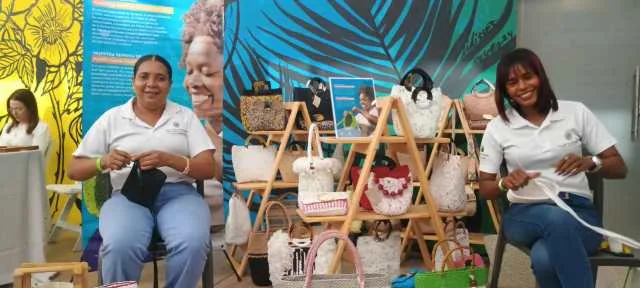
A standard black garbage bag weighs only a few grams. In the hands of Patricia Benítez, that same bag gets cut, braided and shaped into a handbag with a retail price. Benítez is one of at least 25 artisans in the Punta Cana and Verón area who reuse discarded plastic bags to produce handcrafted purses and bags, according to Bávaro News.
The number matters in a district where tourism generates tons of plastic waste every week and where income options for women outside the hotel sector remain scarce. The group showed its work at the 38th Expo Fair of the Dominican Republic Hotel and Tourism Association (Asonahores), held this year in the Verón-Punta Cana district. Their pieces sat alongside booths from hotel chains, tour operators and service companies, giving the artisans direct exposure to sector buyers and visitors.
Benítez told Bávaro News that the products are sold at various points of sale and fairs, and that these exhibition opportunities allow the women to earn income for their families. This is not a hobby. It is a concrete revenue source for households in the area.
Plastic bags are not the only material in play. The artisans also carve bull horns by hand to produce bags of different sizes, designs and styles. Combining an urban waste item with a livestock byproduct results in pieces that no two look alike — something the artisans themselves point to as part of the appeal.
The operation functions without visible intermediaries between maker and buyer. Each bag carries the trace of a manual process that begins when someone picks up a plastic sack headed for the landfill and ends when that same sack becomes an object someone pays to carry.
In an area where the economy revolves around resorts and tourism services, these 25 women work on a different margin. They do not depend on a hotel payroll or a seasonal contract. Their raw material is, literally, what everyone else throws away.