
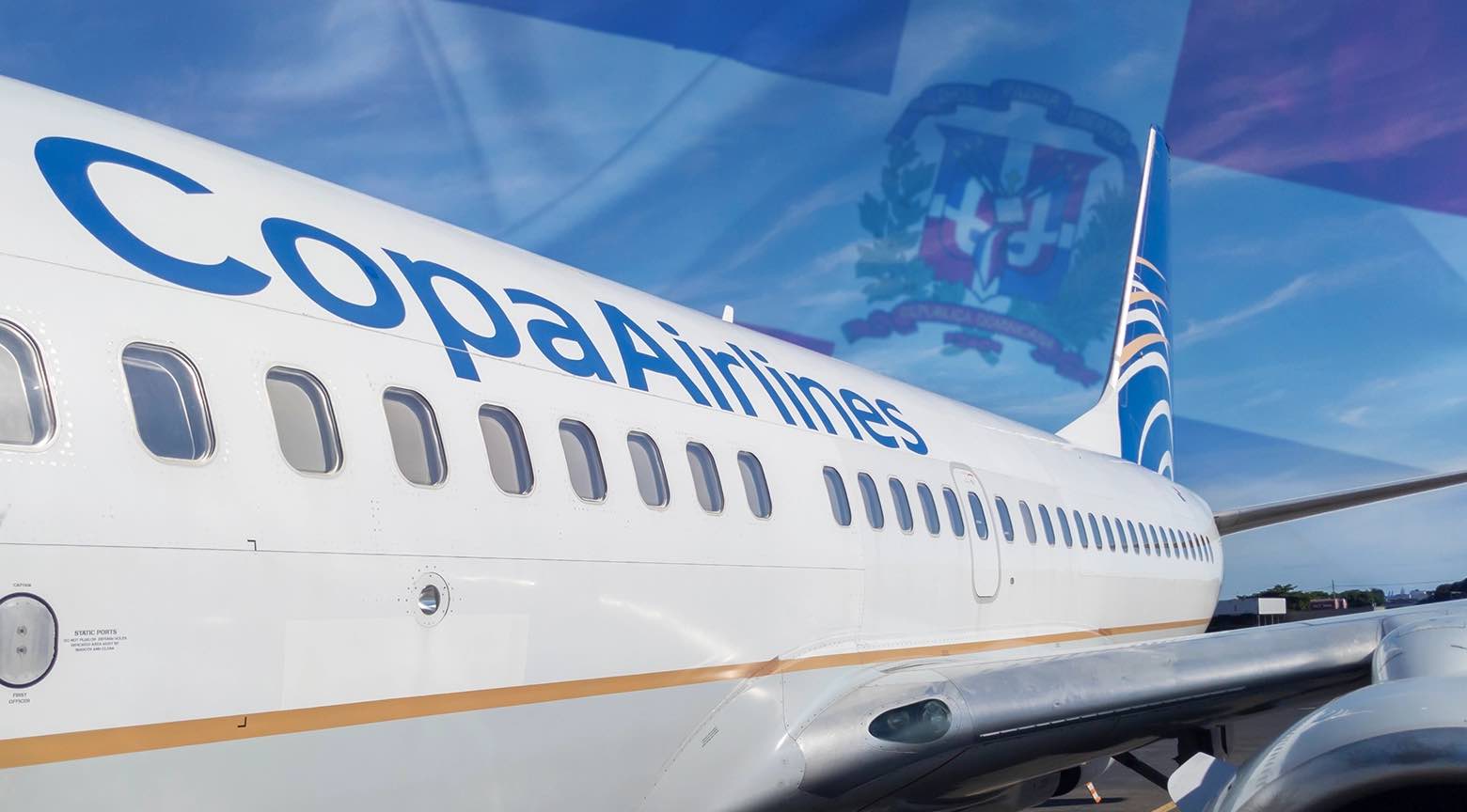
BOGOTÁ, Colombia — Demand among Colombian travelers for destinations in the Dominican Republic continues to grow, with Punta Cana leading the trend as more vacationers seek alternatives to traditional Caribbean hotspots such as Cancún, according to Copa Airlines.
Paola Castaño, Copa Airlines’ Sales Manager for the Andean region, said the airline has observed a notable shift in travel preferences, with Colombian tourists increasingly opting for destinations across the Dominican Republic, driven by strong destination marketing efforts and a desire for new travel experiences.
While Punta Cana remains the country’s fastest-growing destination among Colombian visitors, Castaño noted that interest has also expanded to other cities, including Puerto Plata and Santiago de los Caballeros.
“We have seen greater demand for destinations such as the Dominican Republic, not only Punta Cana, although it remains the destination with the highest growth. We are also seeing strong interest in Puerto Plata and Santiago de los Caballeros,” Castaño told REPORTUR.co.
She highlighted Copa Airlines’ recent decision to resume service to Santiago de los Caballeros and restore flights to Puerto Plata, reflecting the growing importance of the Dominican market for Colombian travelers.
According to Castaño, one of the key advantages of the Dominican Republic is its ability to offer visitors a combination of beach and urban experiences. Travelers are increasingly choosing itineraries that include both resort destinations such as Punta Cana and city experiences in Santo Domingo, creating a more diverse tourism offering.
Industry observers attribute much of the growth to the Dominican Republic’s sustained international marketing strategy. Castaño praised the country’s promotional efforts, noting that they have played a significant role in attracting travelers who previously favored Mexico’s Caribbean coast.
“There is no doubt that the Dominican Republic has done an excellent job promoting itself internationally. Many Colombian travelers who traditionally preferred Cancún are now choosing Punta Cana and other Dominican destinations,” she said.
While visa requirements for some travelers may influence destination choices, Castaño indicated that promotional campaigns and changing traveler preferences have been the primary drivers behind the shift. She added that many Colombian tourists who had repeatedly visited Cancún are now seeking new experiences elsewhere in the Caribbean.
“The traveler who frequently visited Cancún is looking for different options, and the Dominican Republic has positioned itself very well to capture that demand,” she explained.
Castaño also pointed to a broader trend of diversification among Colombian travelers. In addition to the Dominican Republic, destinations such as Los Cabos in Mexico, Nassau in The Bahamas, Aruba, and Curaçao have experienced increased interest, although none have matched the growth levels recorded by Punta Cana.
She noted that Nassau has become one of Copa Airlines’ fastest-growing Caribbean destinations, with service expanding from three weekly flights to daily operations. Aruba and Curaçao have also registered steady growth through the airline’s Panama hub.
Despite this diversification, Punta Cana and Cancún remain the dominant beach destinations for Colombian travelers. However, the Dominican Republic’s strong growth trajectory suggests it is increasingly establishing itself as one of the Caribbean’s most sought-after markets, supported by expanded air connectivity, aggressive promotion, and a tourism product that continues to attract visitors seeking both relaxation and new experiences.
